PROFESSIONAL AND PERSONAL CASE STUDY
Crisis adaptation, digital ministry team building, and infrastructure planning at the Texas Conference of Seventh-day Adventists
Dr. Kenn Dixon, LSSGB, APR
Former Vice President for Communication and Public Relations
Texas Conference of Seventh-day Adventists
THE CENTRAL CASE
A modest room became mission infrastructure because the team treated technology as a way to preserve connection when physical gathering was disrupted
Publicly documented milestones through 2026 with internal data needs identified
Executive Summary
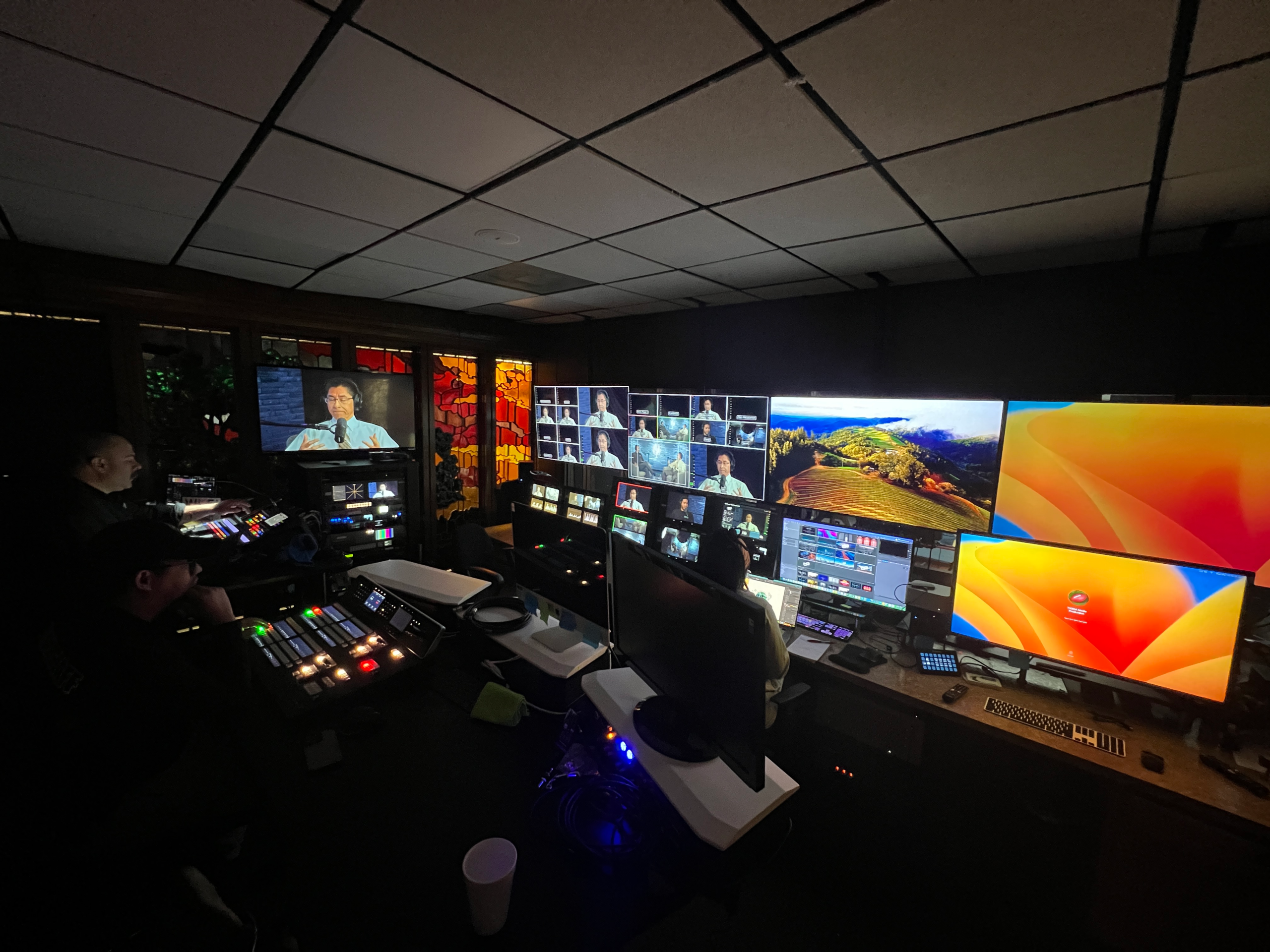
The Texas Conference studio story is more than a pandemic success story; it is an example of preparation meeting disruption. When I began serving the Texas Conference in 2019, I believed every conference needed a bilingual media studio for the digital age. That same year, we established one. My team and I were later credited with transforming the office worship area into a studio that, by 2022, was broadcasting beyond Texas to audiences around the world.
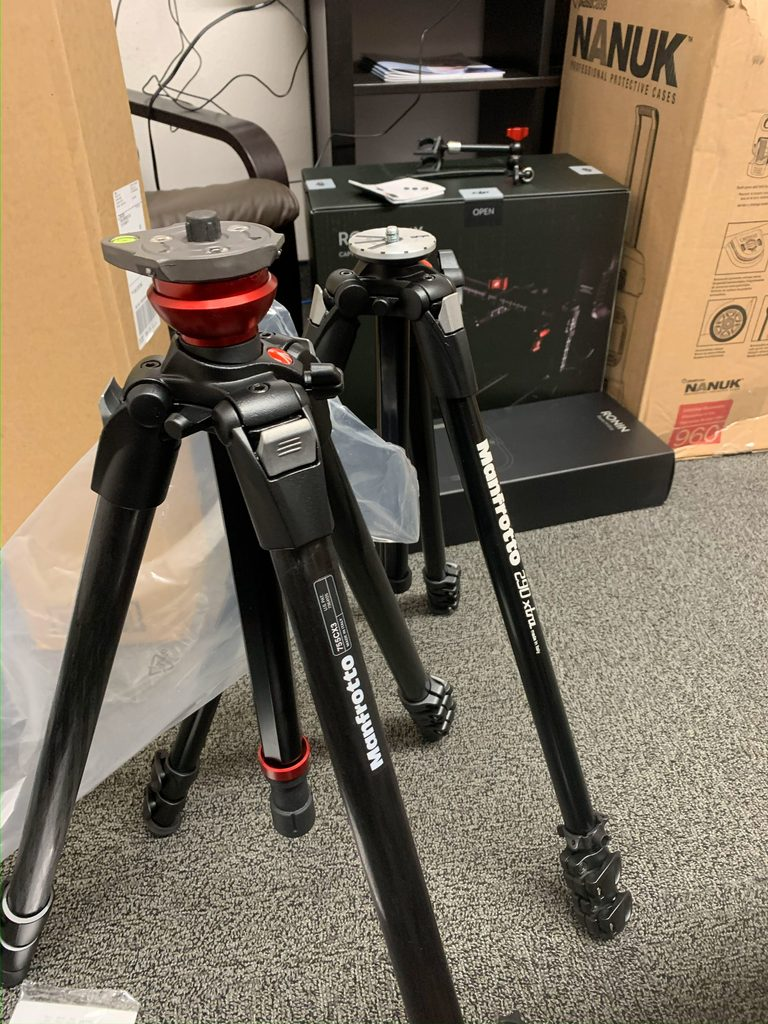
The first Shipment of equipment for the new digital content creation for the Texas Conference prior to COVID-19. (2019)
COVID-19 changed the pace and purpose of that investment. As churches closed and online viewing became essential, the studio moved from a developing communication asset to mission-critical ministry infrastructure. Working with a growing team, we created a weekly online church service to give members another worship option. The work expanded in English and Spanish, supported departments and local congregations, and eventually moved beyond the room through live event and mobile production. n
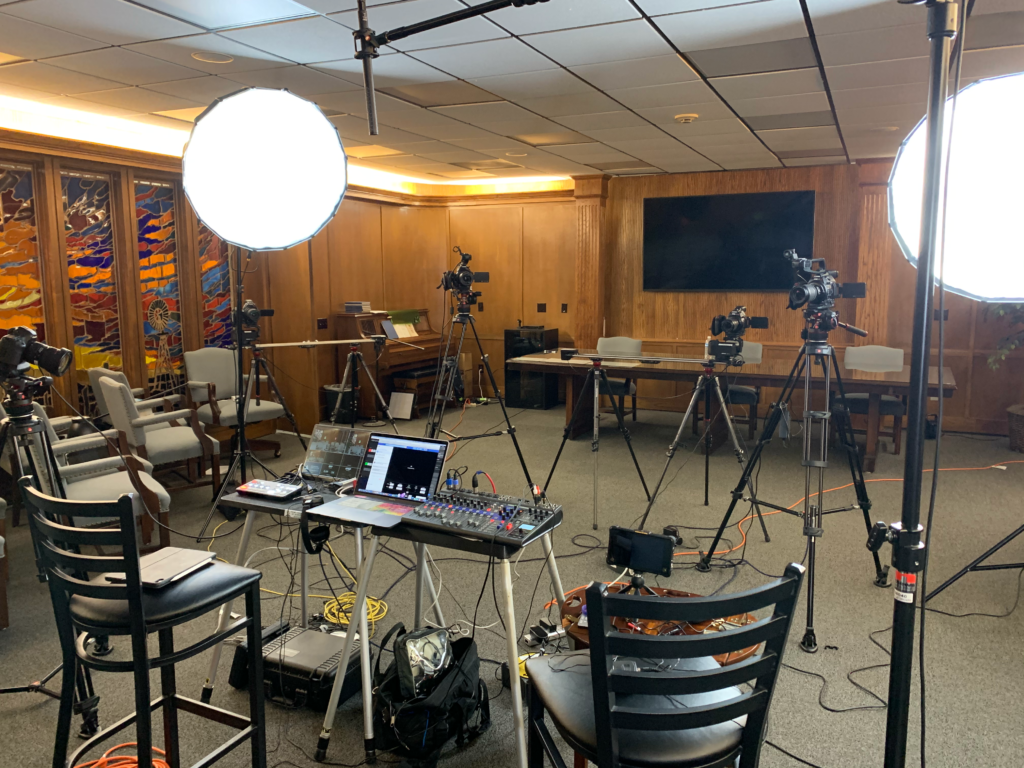
The beginning of the vision in 2020.
The transformation was physical, but the deeper change was organizational. We had to build a repeatable production rhythm, recruit people with complementary skills, define standards, learn which workflows could survive weekly pressure, and think beyond a single platform. The studio became a service model: production, training, event support, church assistance, and digital distribution working together.
The strongest lesson is that crisis adaptation should create durable capacity. The churches reopened, but the need for communication did not disappear. The studio continued serving ministries, producing English- and Spanish-language content, livestreaming major events, training church communicators, and contributing to a broader digital ecosystem that now reaches mobile, connected-TV, social, and web audiences.
The Personal Starting Point
I have never believed ministry and technology belong in separate rooms. Earlier in my career, I taught technology and saw how digital tools could expand the reach of pastoral work. When I joined the Texas Conference in the fall of 2019, I did not see the office worship area only as a room for employees to gather. I saw a space that could be activated to serve churches, schools, departments, and people who might never enter the building.
The original goal was for the Texas Conference to establish a media studio in 2019 capable of producing high-quality content in both English and Spanish. The timing matters. We were building before anyone knew how severely the pandemic would disrupt congregational life. The crisis did not create the vision; it tested whether that vision could become operational quickly enough to make a difference.
The Leadership Question
How do you convert a familiar internal space into a reliable ministry platform while conditions are changing? Our answer was not one piece of equipment. It was space, people, process, standards, language access, and distribution.
The Timeline from Room to Platform
| Period | Documented development | Strategic meaning |
| 2019 | I joined the Conference in the fall, and soon after, I presented to the Executive Committee the need for content creation. The Conference established a media studio for high-quality English- and Spanish-language content. | The organization entered the crisis with an emerging production capability rather than a blank sheet. |
| March 2020 | The COVID response plan anticipated church closure, online viewing, and contingency plans led by Communication and Public Relations. | Digital communication became part of continuity planning and member care. |
| Pandemic period | We created a weekly online church service when churches closed. | A room and equipment became a recurring pastoral service with a weekly deadline. |
| By May 2022 | The office worship area had been transformed into a studio broadcasting around the world. | The studio moved from local space conversion to a visible institutional capability. |
| 2022 onward | Media production became prominent; staff supported design, livestreamed events, and studio recordings. | The work required a team and cross-functional operating structure, not a single technical specialist. |
| 2023 to 2024 | The team received communication awards and offered English- and Spanish-supported workshops on streaming, sound, audience development, strategic communication and presentation tools. | Production knowledge was converted into capacity for local churches. |
| Later development | The brief identifies mobile broadcasting; off-site livestreaming of camporees and convocations and current multi-camera event production. | The studio became a hub for production beyond its own walls. A Mobile Production Truck and live-onsite complete production capabilities. |
What Changed When the Churches Closed
Before COVID, media could still be treated as a program enhancement. Once physical worship was disrupted, communication became part of the ministry’s operating core. The Conference response plan explicitly contemplated church closure, encouraged online viewing, and stated that the Communication and Public Relations department had contingency plans.
The weekly service was our practical response to a pastoral problem: people needed continuity, worship, reliable information, and a sense that the church had not disappeared because the building was closed. That required more than streaming a camera. A weekly service needs speakers, music, scheduling, scripts, graphics, recording, editing, approvals, distribution, and someone accountable for every handoff.
Crisis Speed with Ministry Discipline
The urgency could not become an excuse for carelessness. Broadcasting exposes every weak link at once: audio, lighting, internet, file preparation, speaker readiness, music rights, timing, and follow-up. We learned to think in systems. Later production standards required advance submission, approved formats, 1920 x 1080 video, H.264 compression, 48 kHz audio, speaker lists, and preparation deadlines. Those standards show how an emergency response matured into a controlled production environment.
Building the Team
Although the case is personal, it was never a solo effort. A team helped create the weekly online service, turning ideas into a reliable production rhythm through coordination, editorial judgment, and event experience. As media became more central to the organization, the work drew on people with strengths in production, design, pastoral ministry, technology, language, and stage management.
The team later expanded to support graphic design, livestreamed events, studio recordings, and stage management. As it grew, the leadership team brought together theology, audiovisual communication, design, technology, multilingual skills, and disaster-risk training. Other contributors strengthened the work through content development, audio, graphics, production, and distribution. The lasting capability came from combining disciplines that institutions often keep separate.
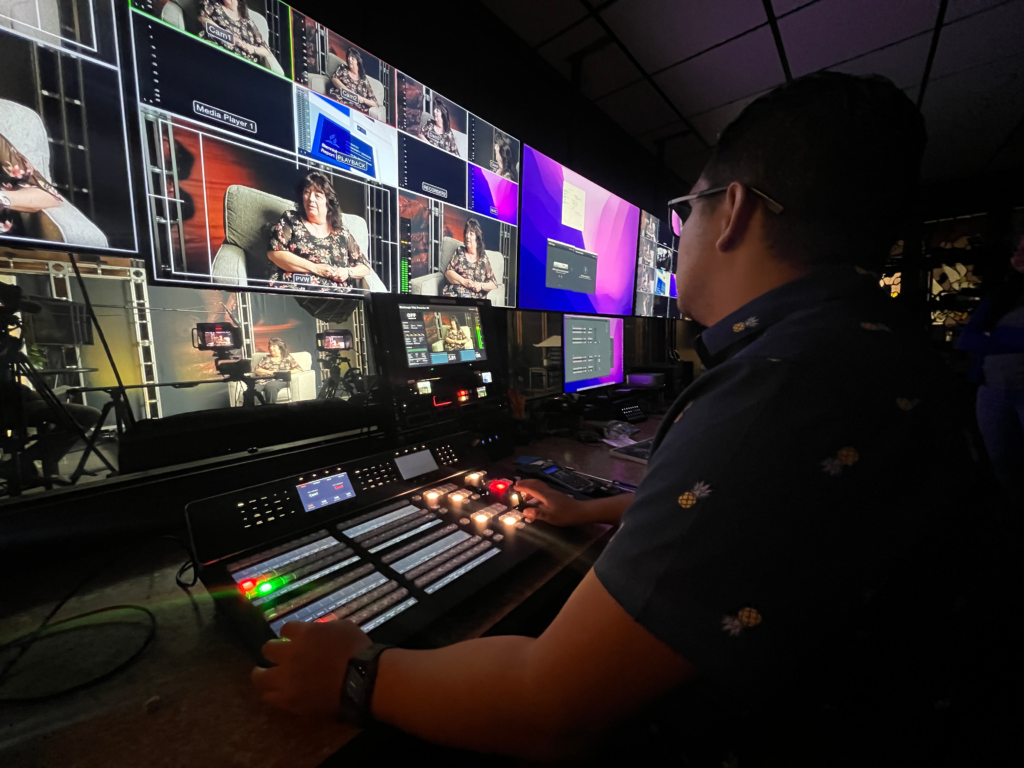
Building the team Texas Conference needed.
The Team Design Principle
A broadcast ministry should not be built around one person who knows where every cable goes. It needs shared knowledge, documented standards, cross-training, role clarity, and a pipeline for new contributors. The leader’s work is to create an environment in which creative and technical people understand the ministry purpose and ministry leaders respect the production process.
English and Spanish as Infrastructure
The studio was bilingual by design, not as a late translation exercise. In 2019, the vision states that it was established to produce high-quality content in English and Spanish. That choice aligned the production model with the Conference’s actual membership and ministry field.
Language expansion affects more than presenters. It changes scheduling, graphics, editing, channel strategy, captions, promotion, technical support, and the composition of the production team. Later public programs show separate English and Spanish streams, channels, presenters, and workshops. The result was not a single message mechanically duplicated. It was an infrastructure capable of serving distinct audiences with appropriate language and leadership.
From Fixed Studio to Mobile Production
A fixed studio provides consistency, while mobile production extends reach. The expanded vision recognized the need for mobile broadcasting, including livestreams for Adventurer, Master Guide, and Pathfinder camporees, as well as East Texas and Laredo convocations. Today, that work includes multi-camera production and support for major Conference events.
That transition changes the planning model. A studio controls light, acoustics, power, connectivity, and camera positions. A field production inherits the venue’s limitations. Mobile broadcasting therefore requires advance site surveys, network testing, transport and inventory controls, redundant signal paths, setup schedules, weather planning where applicable, local volunteers, and clear authority on production day.
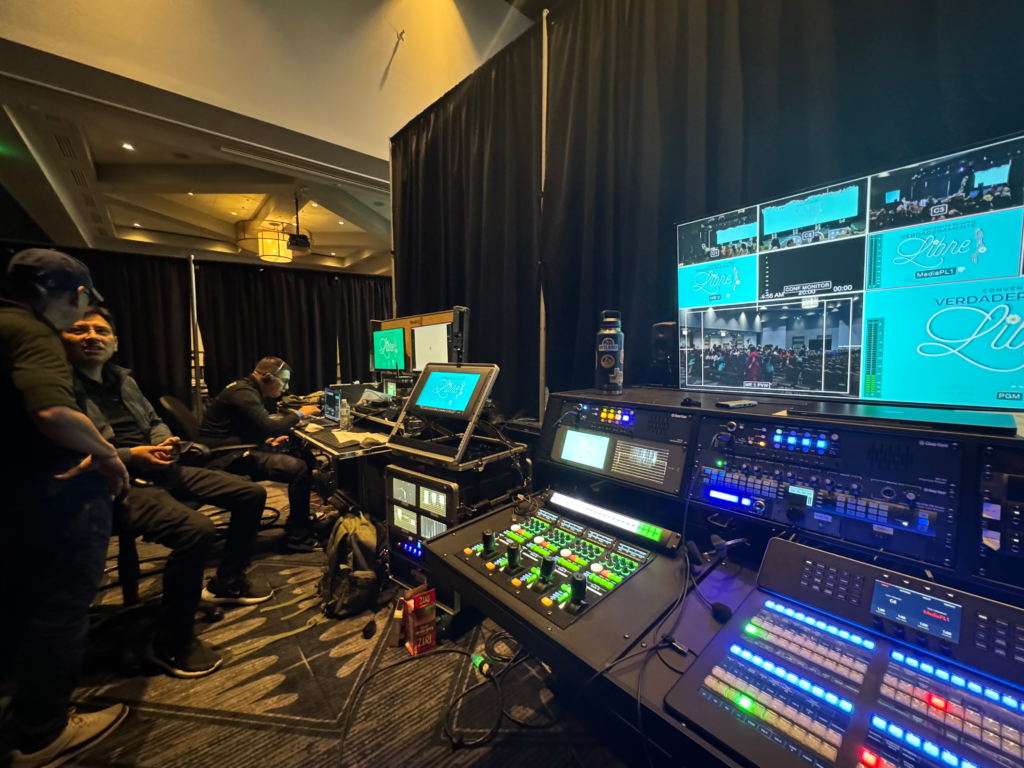
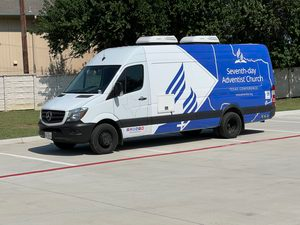
The strategic value is larger than convenience. Mobile capacity allows the production team to bring visibility to ministries and regions instead of requiring every story to come to headquarters. It turns the studio from a room into a networked service.
The Operating Model
| Capability | What had to be built | Why it mattered |
| Space | A worship room adapted for camera positions, lighting, sound, sets, control, and recording | Made recurring production possible without rebuilding every week |
| Programming | A weekly worship format with speakers, music, graphics, editorial review, and distribution | Turned equipment into a dependable ministry experience |
| People | Editorial, pastoral, production, design, audio, stage, language, and technical roles | Reduced single-person dependency and improved quality |
| Standards | Submission deadlines, media specifications, rights management, run sheets, and presenter information | Protected reliability and reduced avoidable production-day risk |
| Distribution | Web, YouTube, Facebook, English and Spanish channels, apps, and connected devices | Allowed content to meet audiences across platforms |
| Mobility | Portable production systems, venue planning, connectivity, transport, and redundancy | Extended production to events and communities across the territory |
| Training | Workshops, technical guidance, recordings, and church support | Moved the Conference from producer to capacity builder |
Social Performance from 2021 to 2025
The analytics show that the studio’s expansion was accompanied by substantial social distribution. They do not form one perfectly consistent annual series. Channel portfolios changed, reports cover different time windows, and platform definitions evolved. Read together, however, they show four clear patterns: rapid portfolio growth, video-led reach, increasing value from audience-specific channels, and a continuing need to convert discovery into deeper viewing and interaction.
| Period and scope | Reported performance | What it indicates |
| 2021 Six channels Trailing 365 days | 28.31K fans, 1.27K net new fans, 50.11K engagements, 1.92M impressions, and 1.23M reach. A 647-post benchmark reported a 2.4% engagement rate. | The crisis-era network reached meaningful scale across institutional, youth, community-service, camp, and church-planting accounts. |
| 2022 YouTube Jan 1 to Dec 1 | 35.6K views, 142.5K watch minutes, 788 likes, and 266 new subscribers. Twenty-nine Shorts produced 14.8K views; livestreams produced 14.1K views and 10.7K viewing minutes. | Video served both discovery and worship. Shorts widened entry points while the Pathfinder Camporee made live event production the year’s strongest viewing anchor. |
| 2022 to 2023 Eleven channels Apr 9 to Apr 9 | 37.38K fans, 3.21K net new fans, 98.71K engagements, 3.53M impressions, and 2.27M reach. The dashboard reported fans up 10% and impressions up 6%, but engagements down 23% versus its comparison period. | Distribution kept expanding, but interaction did not rise at the same pace. Scale was no longer the only management question; engagement quality and content relevance mattered more. |
| 2023 sample Facebook Instagram and Twitter Aug 7 to Sep 5 | Sixty-two posts generated 1,038 engagements: 474 on Instagram, 464 on Facebook, and 100 on Twitter. The educator-convention story produced 359 engagements across Facebook and Instagram. | Facebook and Instagram generated 90% of measured engagement. Human-centered education content outperformed routine notices and demonstrated the value of adapting one story across channels. |
| 2024 Evidence gap | No standalone 2024 annual report was included. Percentage changes in the 2025 dashboard use an undocumented comparison setting. | A responsible annual trend cannot be reconstructed from the available files. The missing year should remain visible until a native 2024 export is recovered. |
| 2025 campaign Spanish channels Jun 5 to Jun 11 | 16.01K video views, 6.23K ten-second views, 10.44K viewers, 5.58K repeated views, and 17.71K watch minutes, with no paid views. Adventistas Hispanos de Texas generated 15.94K views. | The campaign produced strong organic discovery and repeat exposure. Nearly all measured views came through the principal Spanish channel, confirming the value of a clear audience home. |
Growth with an Efficiency Warning
The six-channel 2021 portfolio and the eleven-channel 2022 to 2023 portfolio are not a strict like-for-like comparison, but their scale is instructive. Reported fans increased from 28.31K to 37.38K, impressions from 1.92 million to 3.53 million, reach from 1.23 million to 2.27 million, and engagements from 50.11K to 98.71K. Those changes represent approximate increases of 32%, 84%, 85%, and 97%, respectively.
Efficiency moved in the opposite direction. The content benchmark engagement rate was 2.4% in the 2021 report and 1.01% in the 2022 to 2023 report. Channel expansion, different account mixes, and reporting changes prevent a clean causal conclusion, but the direction is useful: a larger network created more exposure while making it harder to sustain the same interaction rate. This was a signal to manage for audience response, not volume alone.
A Portfolio Rather Than a Single Account
The 2022 to 2023 dashboard shows why the work should be understood as a network. Young Texas Adventist generated 35.2K engagements and 667.02K reach, exceeding the main Texas Conference account’s 18.41K engagements and 500.39K reach despite having fewer fans. Adventistas Hispanos de Texas added 14.58K engagements and 276.43K reach, while the president’s channel generated 13.51K engagements and 173.42K reach. Audience-specific channels were not secondary distribution outlets; they were central drivers of participation.
Organic average daily reach increased 5% in the 2022 to 2023 dashboard while paid average reach decreased 20%. That pattern suggests the portfolio retained an organic base even as paid contribution softened. It also reinforces the value of relevant communities, recognizable voices, and event-driven content.
Video Created Multiple Paths into the Ministry
YouTube’s 2022 report shows three different video behaviors. The channel accumulated 35.6K total views and 142.5K watch minutes, equal to roughly four minutes watched per view across the channel. Shorts supplied 14.8K views through 29 uploads, while livestreams supplied 14.1K views. The most-watched livestream and the top three videos were connected to the Texas Pathfinder Camporee. The lesson was not to choose between short and long video. Short clips created discovery; live events created shared experience and sustained attention.
The 2025 Spanish Campaign Shows Both Reach and Friction
The seven-day report is the strongest campaign-specific evidence in the file set. Its overview recorded 16.01K video views, 10.44K viewers, 5.58K repeated views, and 17.71K watch minutes, all without paid video views. Adventistas Hispanos de Texas accounted for approximately 99.6% of the reported views. Repeated views equaled about 35% of total views, showing that the campaign generated return exposure rather than only one-time contact.
The same report also shows where packaging needed to improve. Ten-second views were 6.23K, about 39% of total views. A separately filtered post-performance panel reported a 28.48% view rate and a 0.86% completion rate. Those figures should not be combined with the overview totals because the panels use different scopes, but the strategic implication is consistent: the campaign was effective at earning attention, while full completion was difficult. Individual recap clips posted completion rates above 15% and sometimes above 20%, while two full live programs showed completion below 2%. Live worship built presence and watch time; edited summaries created a more accessible path for later viewers.
What the Numbers Changed for Me
The data confirmed that the studio had become more than a production room. It was feeding a connected portfolio of communities, formats, languages, and events. It also challenged a common communications assumption: more reach does not automatically mean more relationship. The next stage of leadership was to ask which content invited people to stay, respond, return, and take a meaningful next step.
Evidence Completeness and Remaining Gaps
The analytics establish a credible quantitative performance layer, but they still do not provide a uniform 2021 to 2025 annual dataset. The visible boundaries are:
Growth versus direct comparison. The portfolio grew from six channels in 2021 to eleven in 2022–2023. Fans, reach, impressions, and engagements increased, but this is not a strict like-for-like comparison.
Annual performance versus snapshots. The sources cover different periods: a trailing year in 2021, eleven months of YouTube in 2022, a one-year portfolio ending in 2023, a one-month 2023 sample, and a seven-day 2025 campaign.
Different metric definitions. Reach, impressions, potential impressions, views, viewers, autoplays, ten-second views, and completion rates measure different behaviors. They should not be combined as though they were interchangeable.
Conflicting dashboard scopes. The 2025 overview reports 16.01K video views, while a filtered performance panel reports 6.49K. Both may be correct for their respective filters, but they cannot be added or directly compared.
Reach versus relationship. The data shows exposure and interaction, but it does not prove spiritual growth, trust, church attendance, baptisms, or other ministry outcomes. However, giving increased from $50 million to $70 million between 2020 and 2024, supported by the Advent Giving online campaign. That growth offered a revealing measure and reinforced the importance of operating effectively in the digital space.
Performance versus attribution. The numbers show growth during the studio’s development, but they do not prove that the studio alone caused it. Events, content strategy, channel expansion, audience interest, and platform algorithms also played a role. During this same period, the Conference’s membership continued growing, surpassing 70,000 by 2026. That growth began during the studio’s founding years and the expansion of its online presence.
Audience activity versus church participation. Analytics reveal viewing behavior but not how many churches, pastors, departments, musicians, or volunteers participated in producing the content.
Operational impact versus financial return. The initiative began with a $50,000 equipment budget in 2019 and grew into more than $1 million in spending on mobile production capacity and studio upgrades by 2025. Those costs were partly offset by contracted production work for other conferences, events, and ministries, though a complete financial return analysis would still require detailed records of equipment, staffing time, software, training, revenue, and cost per viewer.
Based on 184,980 video views recorded during the 2022–2023 reporting period, an estimated annual production investment of $40,000 to $75,000 would result in a cost per view of approximately $0.22 to $0.41. For the seven-day 2025 campaign, 16,010 views would translate to about $0.31 per view on a $5,000 budget or $0.62 per view on a $10,000 budget. These estimates suggest strong digital efficiency, but the final calculation should include personnel, software, promotion, and production costs, and measure deeper outcomes such as watch time, participation, and ministry engagement.
The studio enabled substantial growth in digital distribution, especially through video, audience-specific channels, and Spanish-language programming. The available data demonstrates reach and engagement, but additional records are required to establish consistent annual trends, causal impact, financial efficiency, and ministry outcomes.
Lessons from Iteration
The pandemic launch was not perfect, but the circumstances were not normal either. The studio was a successful experiment, but its story should not be reduced to a polished success myth. Every weekly production involved tests, mistakes, and abandoned approaches. The responsible next step is to recover those lessons through run sheets, staff interviews, analytics, equipment logs, and post-production notes.
One later example of visible iteration is TexTalk. After audience requests for shorter segments, the team changed the set, refreshed the identity, and used a 15-minute timer to control length. That example reinforces a broader principle: production quality is not only technical quality. It is also the discipline to listen, shorten, simplify, and redesign when the audience experience calls for it.
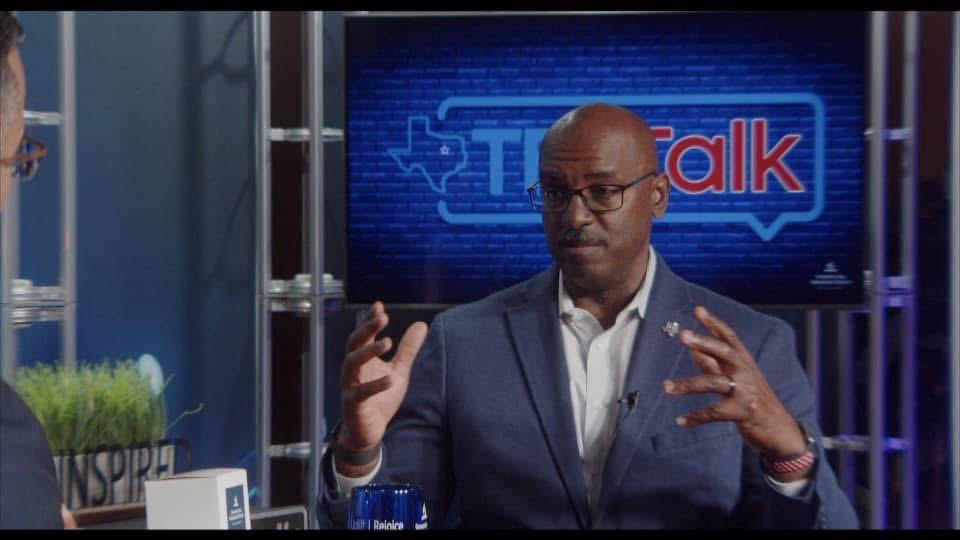
Questions Worth Recovering for Future Project Lessons
While deeply grateful for the steadfast support of leadership, staff, and local congregations, true growth requires honest reflection. Distance and hindsight now highlight several critical questions that should have been addressed earlier:
What failed under weekly pressure? Identify audio, lighting, connectivity, scheduling, file transfer, and approval problems that recur.
What was overbuilt or underused? Compare purchased capability with actual production demand and staff capacity.
What formats audiences rejected? Look for low retention, weak repeat viewing, comments, and programs that ended early.
What depended on one person? Find tasks that stalled during absence and document how knowledge was transferred.
What should never be repeated? Capture safety, copyright, data, pastoral-care, or reputational risks exposed by early experiments.
Leadership Lessons
Prepare before the crisis. The 2019 investment mattered because capability existed before closures made it essential.
Define the ministry problem first. The goal was continuity, connection, worship, and service, not possession of impressive equipment.
Build a system rather than a room. Space without programming, people, standards, and distribution is only a decorated facility.
Design for the actual audience. English and Spanish production should shape staffing and workflows from the beginning.
Move knowledge outward. Training local communicators multiplies capacity beyond what the central team can produce.
Let emergency capacity become permanent value. The best crisis adaptation leaves the organization stronger after the emergency ends.
Conclusion
The worship room became a broadcast studio because the team saw a room as a resource, media as ministry, and crisis as a call to serve. COVID accelerated the work, but preparation made acceleration possible. The weekly service created connection when doors were closed. Bilingual production widened access. Team development turned individual skill into institutional capacity. Mobile broadcasting carried the work beyond headquarters.
What began as adaptation became infrastructure. That is the professional lesson. The personal lesson is equally important: leadership in disruption is not about predicting every need. It is the willingness to listen, learn quickly, gather capable people, establish discipline, and keep the mission clearer than the technology.
The lasting achievement was not the conversion of one room. It was the creation of a production culture capable of helping ministry happen wherever the audience happened to be.
Source Notes
Texas Conference. The Cycling Pastor. Documents Kenn Dixon’s fall 2019 arrival, the worship-area transformation, worldwide broadcasting, and pandemic-era use of media and technology.
Texas Conference. Reaching a Broader Audience with the Good News. Documents the 2019 studio establishment, English and Spanish production, broad departmental use, and livestreaming of major events.
Texas Conference. Churches COVID-19 FAQ. Documents the closure stages, online-viewing response, and Communication and Public Relations contingency planning.
Texas Conference. Communication Workshop. Documents the 2024 training agenda on streaming, sound, audience development, graphics, and English and Spanish support.
Texas Conference. Digital Communication and Production. Documents the current multi-camera, live-broadcast, event-production, church-support, training, and platform-development capabilities.
Evidence note. Audience totals, participating-church counts, attendance records, equipment costs, mobile-system specifications, and failed experiments were not located in the public sources reviewed. This case labels them as internal verification needs rather than estimating or inventing them.