
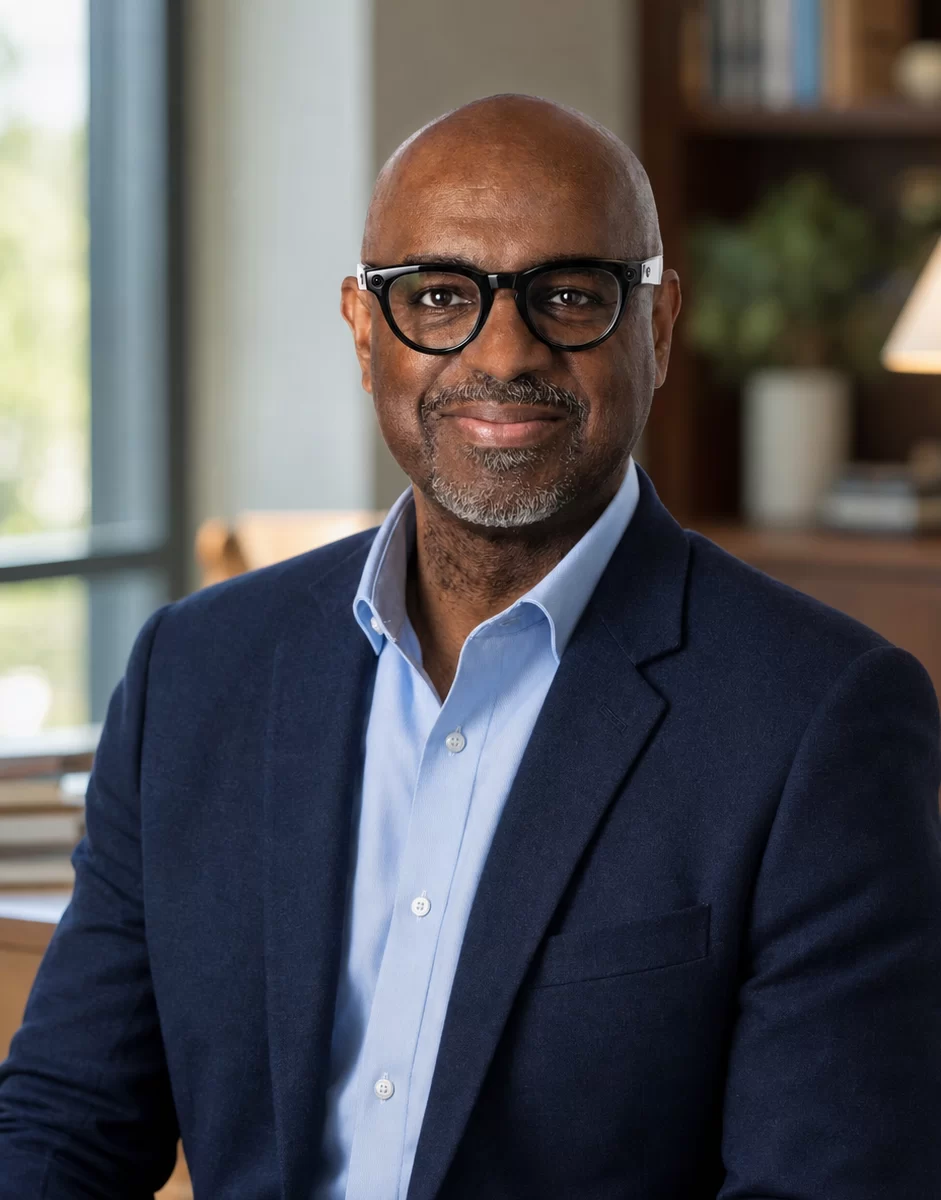
Kenn Dixon, PhD., APR
Before I began my journey toward Accreditation in Public Relations, I was a tactician.
If leadership asked for a video, I created a video. If they needed a social media post, I drafted one. If there was an announcement, campaign, or event to promote, I got to work. I took pride in being responsive, creative, and dependable.
But I did not always ask the questions that should come before the work.
Why are we doing this? Who are we trying to reach? What do they need from us? What outcome are we trying to achieve? And how will we know whether it worked?
Too often, success was measured by a few likes, positive comments, or the feeling that we had “gotten the word out.” At the time, that felt sufficient. Looking back, I can see that I was focused on outputs rather than outcomes. I was producing communication, but I was not always practicing public relations strategically.
Then, a seasoned APR professional, Patti Conwell, APR, challenged me to pursue accreditation. My first reaction was not gratitude. It was anger.
I believed I already knew how to be a strategic thought partner to leadership. I had experience, good instincts, and a deep commitment to my organization. Her suggestion felt like a critique of my capabilities. But beneath that challenge was a deeper question: Did I know public relations as well as I possibly could at that point in my career?
That question stayed with me. Eventually, it became the beginning of my APR journey.
As I started the process, I discovered that APR was not about dismissing the experience I already had. It was about giving that experience a stronger framework. It opened a new way of thinking and challenged assumptions I did not even realize I was making.
I began to understand that public relations is not simply creating a message and pushing it out (tactician). It is a disciplined process of research, planning, implementation, and evaluation (RPIE). It means understanding the organization’s goals and objectives before deciding which tactics will support them. It means identifying the right audiences, listening deliberately, setting measurable objectives, and evaluating whether the work made a difference.
That process strengthened my ability to offer trusted counsel.
It helped me move from being someone asked to “make something” to someone who could respectfully push back and ask why. Why is this our goal? Why is this our audience? Why is this the right approach? What evidence supports this decision? What will success look like? Those questions do not make a communicator feel difficult. They make a communicator strategic.
APR also changed how I viewed audiences. They were no longer simply groups to communicate to or targets for a message. They were people, individuals with perspectives, concerns, experiences, and needs. My responsibility was not merely to reach them. It was to listen to them, learn from them, and build relationships grounded in trust.
That distinction matters. Public relations cannot be a one-way monologue. It must be a two-way conversation. We have to make room for feedback, even when it is uncomfortable. We have to understand what people are telling us, not just what we hope they hear from us. And we have to recognize that meaningful communication is built through relationship, not just reach.
Pursuing APR also required vulnerability. To build an effective strategic plan, I had to ask leaders and stakeholders to trust me with their candor—their concerns, priorities, and sometimes difficult realities. That kind of strategic work requires strong relationships and the credibility to be in the room when decisions are being made.
It also requires leadership to believe that you can help advance the organization’s goals while protecting the organization and its leaders when it matters most. That trust is not automatically given because someone has a communications title. It is earned through preparation, sound judgment, listening, integrity, and the willingness to provide honest counsel.
Life before APR was not a failure. It was an important part of my professional foundation. But life after APR is more intentional. I now approach public relations with a deeper understanding of strategy, measurement, ethics, relationships, and responsibility.
APR did not erase my experience or tell me I was not capable. It gave my experience a stronger framework, a sharper purpose, and the confidence to ask better questions.
If you are curious about what a more intentional, strategic, and relationship-centered practice of public relations could look like, let that curiosity lead you. You do not need to have every answer before you begin the APR journey. You simply have to be willing to grow.
#APR # PRSA #PublicRelations #YouGotThis